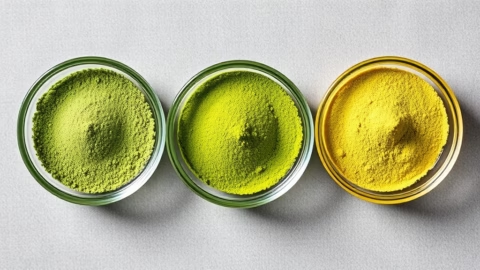
Editorial method: This guide is documentation-based. It does not claim a physical tasting or product test unless a dated protocol, sample source, conditions, and evidence appear on the page. Confirm package-specific ingredients, origin, certification, directions, caffeine, storage, and safety information with the manufacturer or physical label.
If matcha is just powdered green tea, why does it cost so much more? It is one of the most common questions about it. The short answer is that matcha vs green tea is less about the plant and more about how the leaf is grown, processed, and consumed. Both come from Camellia sinensis, but the path each takes to your cup is completely different.
Matcha vs green tea: the quick version
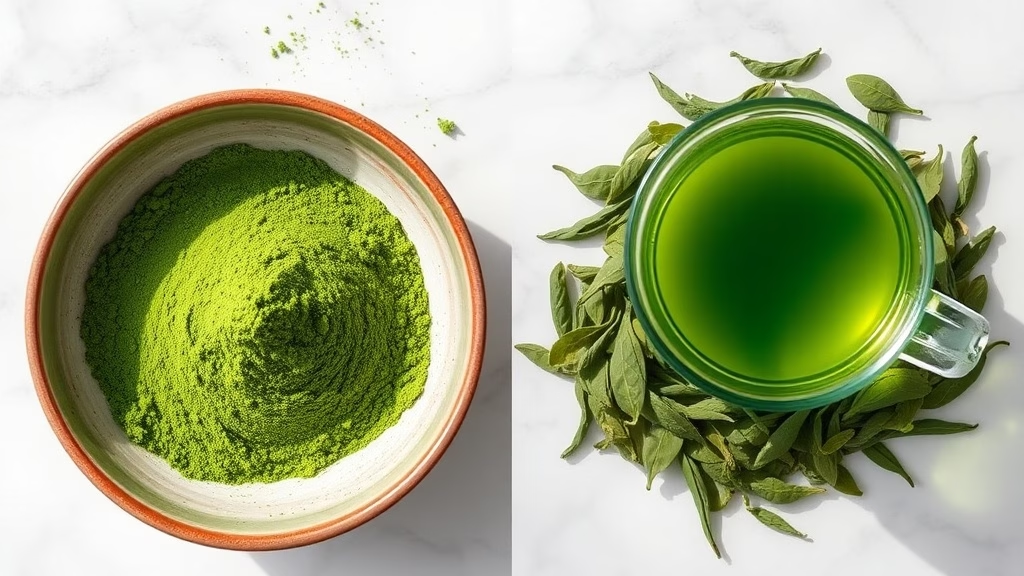
With loose-leaf green tea, you steep the leaves in hot water and throw them away. You only drink what dissolves. With matcha, the whole leaf is stone-ground into powder and whisked into the water, so you drink the entire leaf. That single fact drives almost every other difference below.
1. How they are grown
Matcha is shade-grown for several weeks before harvest. Covering the plants forces them to produce more chlorophyll and the amino acid L-theanine, which is what gives good matcha its bright color and savory sweetness. Most everyday green tea is grown in full sun and never shaded.
2. How they are processed
3. Caffeine
4. Antioxidants and nutrients
5. Taste
6. Preparation and price
So which should you drink?
Frequently asked questions
Is matcha healthier than green tea?
Because you drink the whole leaf, matcha delivers more of the leaf’s compounds per serving. “Healthier” depends on your diet and how you drink it (skip the sugary lattes). This is general information, not medical advice.
Does matcha have more caffeine than green tea?
Usually yes, per serving, because you consume the powdered leaf rather than a steep. The amount scales with how much powder you whisk in.
Can I make matcha like green tea, just steeped?
No — matcha is a powder meant to be suspended in water, not steeped and strained. Whisking is what gives it its texture.
Research on green tea catechins offers more background for the curious.