Editorial method: This guide is documentation-based. It does not claim a physical tasting or product test unless a dated protocol, sample source, conditions, and evidence appear on the page. Confirm package-specific ingredients, origin, certification, directions, caffeine, storage, and safety information with the manufacturer or physical label.
Walk into any tea shop and you will see matcha labelled ceremonial, culinary, premium, or some combination of all three. The terminology is not regulated by any international standard, which means a single bag can be labelled “premium ceremonial” by one brand and “culinary-grade” by another at a lower price — and both might be describing identical powder. Here is what the grades actually mean and how to evaluate matcha independent of whatever label is on the tin.
What determines matcha grade?
Matcha grade is determined by several factors in combination: the part of the tea plant harvested, the time of year, how the leaves are shaded before harvest, and how finely the leaves are milled.
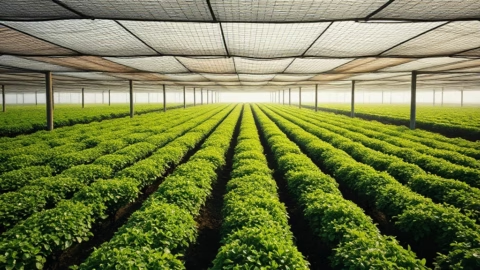
Shading duration. High-grade ceremonial matcha comes from leaves that have been shaded from sunlight for 20–30 days before harvest. Shading causes the plant to produce more chlorophyll (making the leaves more intensely green) and more L-theanine (making the flavor sweeter and less bitter). Culinary-grade matcha is typically made from unshaded leaves or leaves shaded for a shorter period.
Harvest season. The first harvest of the year (ichibancha, typically May in Japan) produces the youngest, most tender leaves with the highest concentration of amino acids. First-harvest matcha commands a premium and is almost always categorized as ceremonial grade. Later harvests (niban, saban) produce leaves with higher tannin content, more bitterness, and coarser texture — appropriate for culinary use but not for traditional preparation.
Leaf selection. The youngest, most tender leaves (tencha) from shaded plants are used for ceremonial matcha. Older, coarser leaves and stems contribute to culinary grades.
Milling fineness. Ceremonial matcha is stone-milled to a very fine powder — typically under 10 microns per particle. The milling speed matters: traditional stone mills run slowly to avoid heat that would degrade the delicate flavor compounds. Culinary matcha may be ball-milled at higher speeds, producing a slightly coarser powder that dissolves less smoothly in cold liquids.
Ceremonial grade: what to expect
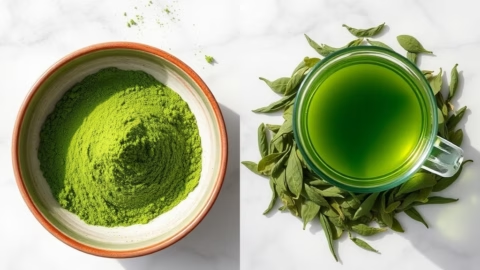
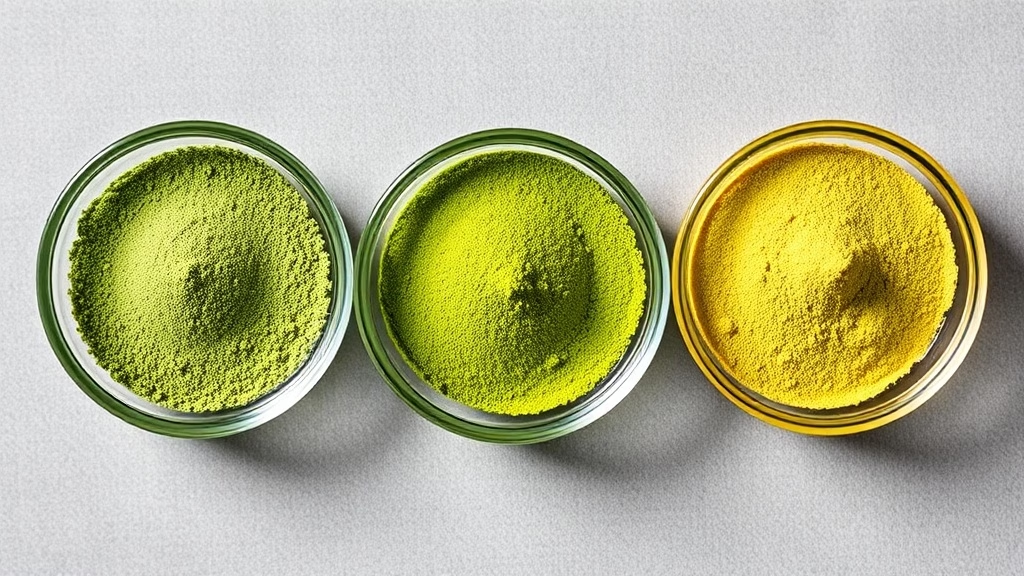
Genuine ceremonial matcha should be vivid green — almost electric, with a slightly waxy sheen when you press the powder between your fingers. It should smell fresh and grassy, with a subtle sweetness. When prepared as usucha (thin tea) with 70–75°C water and whisked to a froth, it should taste naturally sweet, with a clean umami note and minimal bitterness. The aftertaste (kōki) should be pleasant and linger for several seconds.
Price is a reasonable quality signal at the high end: genuine first-harvest ceremonial matcha from named Japanese gardens (Uji, Nishio, Yame) cannot be produced cheaply. Anything labelled “ceremonial” and priced below a reasonable minimum per gram should be evaluated skeptically.
Culinary grade: what it is and is not
Culinary matcha is not low-quality in an absolute sense — it is a different product intended for different uses. The stronger, slightly more bitter flavor of culinary matcha holds up better when mixed with milk, sugar, and other strong flavors in a latte or baked good. Ceremonial matcha's subtlety is actually a disadvantage in high-sugar or dairy-forward preparations.
Culinary grade is the correct choice for matcha lattes, baking, ice cream, smoothies, and any preparation where the matcha is not the only ingredient. It is a waste of ceremonial matcha to steam it with oat milk.