Editorial method: This guide is documentation-based. It does not claim a physical tasting or product test unless a dated protocol, sample source, conditions, and evidence appear on the page. Confirm package-specific ingredients, origin, certification, directions, caffeine, storage, and safety information with the manufacturer or physical label.
9 research-backed matcha benefits
Here are the matcha benefits with the most plausible support behind them. Notice how qualified the language stays. That caution is the honest part.
1. A concentrated source of catechins, including EGCG
Matcha is powdered whole green tea leaf, so you consume the leaf rather than just an infusion. It is a rich source of catechins, a group of plant antioxidants that includes EGCG (epigallocatechin gallate). Antioxidants are associated in research with helping the body manage oxidative stress, though what that means for any single person’s long-term health is still an open question rather than a settled fact.
2. L-theanine plus caffeine for calmer focus
3. Steadier, gentler energy
4. Possible associations with heart health
Population studies have linked regular green tea consumption with modestly lower cardiovascular risk markers in some groups. These are associations, not proof that matcha causes better heart outcomes, and confounding factors are hard to rule out. It is a hopeful signal worth mentioning, but not a reason to treat matcha as a heart medication.
5. Possible modest metabolic associations
6. Oral and dental considerations
Green tea polyphenols have been studied for effects on oral bacteria, and some research is associated with better measures of oral health. That said, unsweetened matcha can stain teeth over time, like coffee. The practical takeaway is simply that plain matcha is a low-sugar drink, which your dentist will appreciate more than a sweetened latte.
7. Whole-leaf concentration versus steeped tea
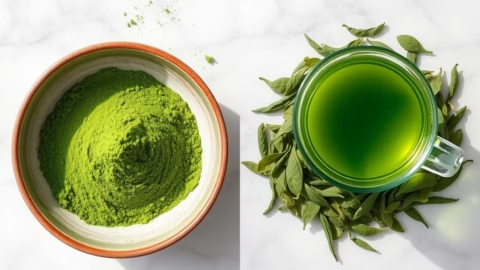
One distinctive thing about matcha is that you ingest the whole pulverized leaf rather than discarding it after steeping. This means you typically take in more of the leaf’s compounds, including caffeine and catechins, per gram than with a standard cup of steeped green tea. More concentration is not automatically more benefit, but it does explain why matcha feels more potent.
8. Mood, relaxation, and ritual
9. Hydration and a low-calorie habit
Plain matcha, like other unsweetened teas, contributes to your daily fluids and contains negligible calories. Swapping a sugary drink for unsweetened matcha is a small, sensible change. The benefit here comes mostly from what matcha replaces, not from any magical property of the powder.
3 matcha myths worth retiring
Myth 1: Matcha detoxes your body
“Detox” is a marketing word, not a physiological one. Your liver and kidneys handle detoxification; no tea outsources that job for them. Matcha’s antioxidants are interesting, but there is no credible evidence that matcha flushes toxins or cleanses your system. Be wary of any product promising a detox.
Myth 2: Matcha melts fat or guarantees weight loss
Green tea catechins have shown only small and inconsistent effects on body weight in research, often with concentrated extracts rather than a daily bowl. No tea melts fat or guarantees weight loss. If a label promises dramatic results, treat that as a red flag, not a feature.
Myth 3: If some is good, unlimited is better
More is not always healthier. Matcha contains caffeine, and high intake can cause jitteriness, disrupted sleep, or raised heart rate, and may matter for people with certain conditions. There have also been rare reports of liver issues with very high green tea extract doses. Moderation is genuinely the wiser path here.
How much, and who should be cautious
Some people should be more careful. If you are pregnant or breastfeeding, caffeine intake should be limited, and you should ask your clinician what is appropriate for you. The same goes if you have heart, liver, or blood pressure concerns, or take medications, since green tea can interact with some drugs. According to the U.S. National Center for Complementary and Integrative Health, evidence for many green tea health claims is limited, and supplements carry their own cautions: NCCIH on green tea. Again, this is not medical advice; please talk to a clinician about your situation.
Frequently asked questions about matcha benefits
Are the matcha benefits stronger than regular green tea?
Because you consume the whole leaf, matcha is more concentrated per gram than steeped green tea, including in caffeine and catechins. Whether that translates to meaningfully greater health effects is not well established, so think of it as more potent rather than proven superior.
How much matcha is too much?
There is no single universal limit, but caffeine is the main thing to watch. Tally your intake from all sources across the day. If you feel jittery, anxious, or notice disrupted sleep, that is your cue to cut back, and a clinician can advise on your specific needs.
Does grade affect the benefits?
Which matcha do you recommend for everyday drinking?
The honest bottom line
The real matcha benefits are quieter than the marketing: a concentrated source of catechins, a calmer kind of caffeine lift thanks to L-theanine, and a low-sugar ritual that many people genuinely enjoy. The associations with heart and metabolic health are interesting but modest and unproven for any individual. Skip the detox and fat-melting claims entirely. Drink matcha because you like it, keep an eye on caffeine, and check with a clinician if you have any health concerns. That is the honest cup.