Editorial method: This guide is documentation-based. It does not claim a physical tasting or product test unless a dated protocol, sample source, conditions, and evidence appear on the page. Confirm package-specific ingredients, origin, certification, directions, caffeine, storage, and safety information with the manufacturer or physical label.
The Short Answer: What Does Matcha Taste Like?
A creamy texture you can taste
Texture is part of the flavor too. Whisked properly, matcha develops a fine, velvety foam that coats your tongue and softens every note. People often describe this as creamy or buttery even though there is no dairy involved. That body is one reason a good bowl feels luxurious rather than thin or watery.
The Core Flavor Notes, One by One
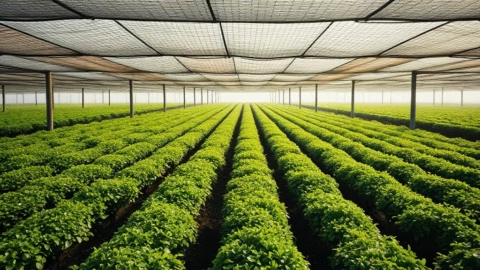
Let’s slow down and taste each thread. Umami is the headline of ceremonial matcha. It comes from L-theanine, an amino acid concentrated when the tea plants are shaded for weeks before harvest. That savory depth is what separates premium matcha from a flat, bland powder.
Sweetness follows close behind. It is delicate and natural, reminiscent of edamame, snap peas, or sweet corn. Grassy and vegetal notes give matcha its garden-fresh lift, sometimes spinach, sometimes nori, sometimes freshly cut lawn. Finally, a gentle bitterness and a touch of astringency keep everything honest. In quality matcha these flavors layer; in poor matcha the bitterness simply takes over.
The finish matters
Pay attention to what happens after you swallow. Fine matcha leaves a long, sweet aftertaste called kanmi, almost like the cup keeps going. Lower grades finish short, dry, and chalky. The finish is often the fastest way to judge what you are drinking.
Why Good and Bad Matcha Taste So Different
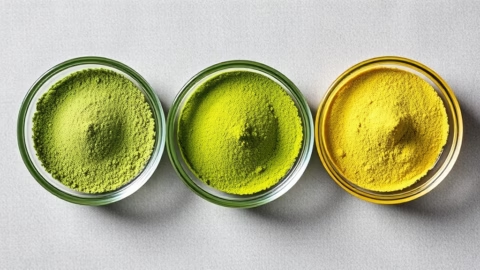
Here is where most beginners get misled. Two green powders can taste like completely different beverages, and three factors explain almost all of it: grade, freshness, and preparation.
Freshness changes everything
Matcha is a fresh product, not a pantry staple. Once a tin is opened, oxygen and light dull its flavor within weeks, turning vibrant green to dull olive and trading sweetness for a flat, hay-like bitterness. Buy small amounts, keep it sealed and cold, and use it quickly. Stale matcha is the single most common reason a cup disappoints.
What Affects the Taste in Your Cup
Even excellent matcha can taste bad if you brew it carelessly. Two variables do most of the damage: water temperature and the ratio of powder to water.
Water temperature is the big one. Boiling water scorches the delicate amino acids and pushes the bitter, astringent compounds forward. Aim for around 175 degrees Fahrenheit, hot but not steaming hard. Let your kettle rest a couple of minutes off the boil if you do not have temperature control.
Ratio shapes intensity. A traditional bowl uses roughly two grams of matcha (about a teaspoon, sifted) to two ounces of water for a concentrated, full-bodied drink. More water mellows it; less makes it thick and intense. Small adjustments here can move a cup from bracing to silky.
Does Matcha Taste Like Green Tea?
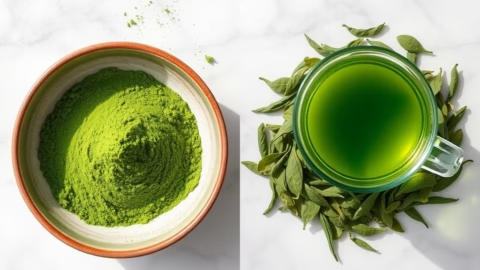
Yes and no. Matcha and steeped green tea come from the same plant, so they share that vegetal, grassy backbone. But matcha tastes far richer and rounder. Because you whisk the whole powdered leaf into water rather than steeping and discarding leaves, you drink everything: the umami, the body, the sweetness, the color. Steeped green tea is lighter, clearer, and more watery by comparison. Matcha is the same family of flavor turned up in volume and texture. If you want the full botanical background, this overview of matcha is a solid, non-commercial place to start.
Why Your Matcha Might Taste Bad (and How to Fix It)
The usual suspects
Bitter or harsh: water too hot, or culinary grade used as ceremonial. Cool the water and check your grade. Flat, hay-like, or dull: stale or oxidized powder. Replace it and store the new tin airtight in the fridge. Chalky or gritty: unsifted clumps. Sift before whisking. Watery and weak: too little powder or too much water. Tighten your ratio. Fishy or sour: low-quality powder or one stored badly, time to upgrade your source.
How to Make It Taste Better
Once you understand the flavor, improving it is mostly about respecting the basics. Start with fresh ceremonial-grade powder, sift one to two grams into a warm bowl, and add about two ounces of water at 175 degrees. Whisk briskly in a zigzag, not a circle, until a fine foam forms. A proper bamboo whisk makes a real difference here; it aerates the tea and smooths the texture in a way a spoon never will.
Frequently Asked Questions
Is matcha supposed to taste bitter?
A little gentle bitterness is normal and even desirable, since it balances the sweetness and umami. Aggressive, mouth-puckering bitterness is not. That usually means stale powder, water that was too hot, or culinary grade used in place of ceremonial.
Does matcha taste like coffee?
No. Matcha has no roasted, smoky, or chocolatey notes the way coffee does. It is savory, vegetal, and grassy with a creamy body. Both offer caffeine, but the flavor experiences are entirely different.
Why does my matcha taste like fish or seaweed?
A faint marine, nori-like note can appear in very umami-heavy matcha and is not a flaw. A strong fishy taste, though, points to low quality or poor storage. Fresh, well-made ceremonial matcha should taste clean.
Will I like matcha if I do not like green tea?
Possibly. Matcha is richer and sweeter than most steeped green tea, and many people who find green tea thin or bitter enjoy a well-prepared bowl of ceremonial matcha. Start with a smooth grade and cooler water.
The Honest Conclusion
So, what does matcha taste like? At its best, it is savory and sweet at once, creamy in texture, vegetal and bright, with just enough bitterness to keep it interesting and a finish that lingers. At its worst it is bitter and flat, but that is almost always a sign of cheap, stale powder or careless brewing, not the true character of matcha. Start with fresh ceremonial-grade tea, use cooler water and a proper ratio, and give your palate a few cups to adjust. Done right, matcha is not something to tolerate for the health benefits. It is something to genuinely look forward to.