Editorial method: This guide is documentation-based. It does not claim a physical tasting or product test unless a dated protocol, sample source, conditions, and evidence appear on the page. Confirm package-specific ingredients, origin, certification, directions, caffeine, storage, and safety information with the manufacturer or physical label.
The quick answer on ceremonial vs culinary matcha
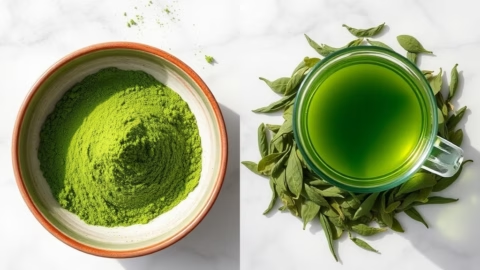
If you drink matcha straight, whisked with just water, buy ceremonial grade. It is made from the youngest, shade-grown leaves, stone-milled into a fine, vivid-green powder that tastes smooth, sweet, and savory with almost no bitterness. If you make lattes, smoothies, or baked goods, culinary grade is the smarter spend. It is bolder and more astringent on purpose, so its flavor still reads through milk, ice, and other ingredients. Match the grade to the cup and you will be happy either way.
| Factor | Ceremonial matcha | Culinary matcha |
|---|---|---|
| Price | Higher per gram | More affordable per gram |
| Leaves & harvest | Youngest leaves, first spring harvest | Later, more mature leaves |
| Taste | Smooth, sweet, umami, low bitterness | Stronger, grassy, more astringent |
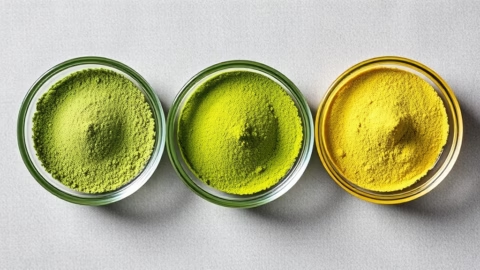
| Color | Vivid jade green | Duller or yellowish green |
| Best use | Drunk straight (usu/koicha) | Lattes, smoothies, baking |
| How to drink | Whisked with hot water only | Blended with milk, sweetener, or batter |
1. Harvest timing and leaf age
This is the root of every other difference. Ceremonial matcha comes from the first harvest in early spring, using the youngest, tenderest leaves at the top of the plant. Those leaves are loaded with amino acids, which create matcha’s signature sweetness and savory depth. Culinary matcha typically uses later harvests and more mature leaves further down the bush. Those leaves have developed more catechins, the compounds responsible for brisk, bitter notes. The plant itself decides much of what ends up in your bowl.
2. Shading and chlorophyll
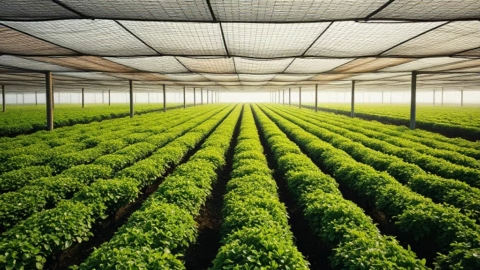
Top-tier matcha plants are shaded for several weeks before harvest. Starved of direct sun, the leaves produce extra chlorophyll and amino acids, deepening both color and sweetness. Ceremonial lots get the longest, most careful shading, which is why they look almost electric green. Culinary grades may be shaded for less time, or made from a blend, so the green is softer and sometimes leans yellow or olive. The history and production of matcha is worth a read if you enjoy this kind of detail.
3. Taste and bitterness
Sip a good ceremonial matcha and you get a round, brothy sweetness with very little edge, the umami lingering pleasantly. Culinary matcha is sharper and grassier, with bitterness and astringency turned up. That intensity is not a flaw. In a latte, milk and sweetness soften matcha dramatically, so a too-delicate ceremonial powder can simply vanish. Culinary grade is engineered to survive that, which is exactly why it shines in mixed drinks.
4. Color in the bowl
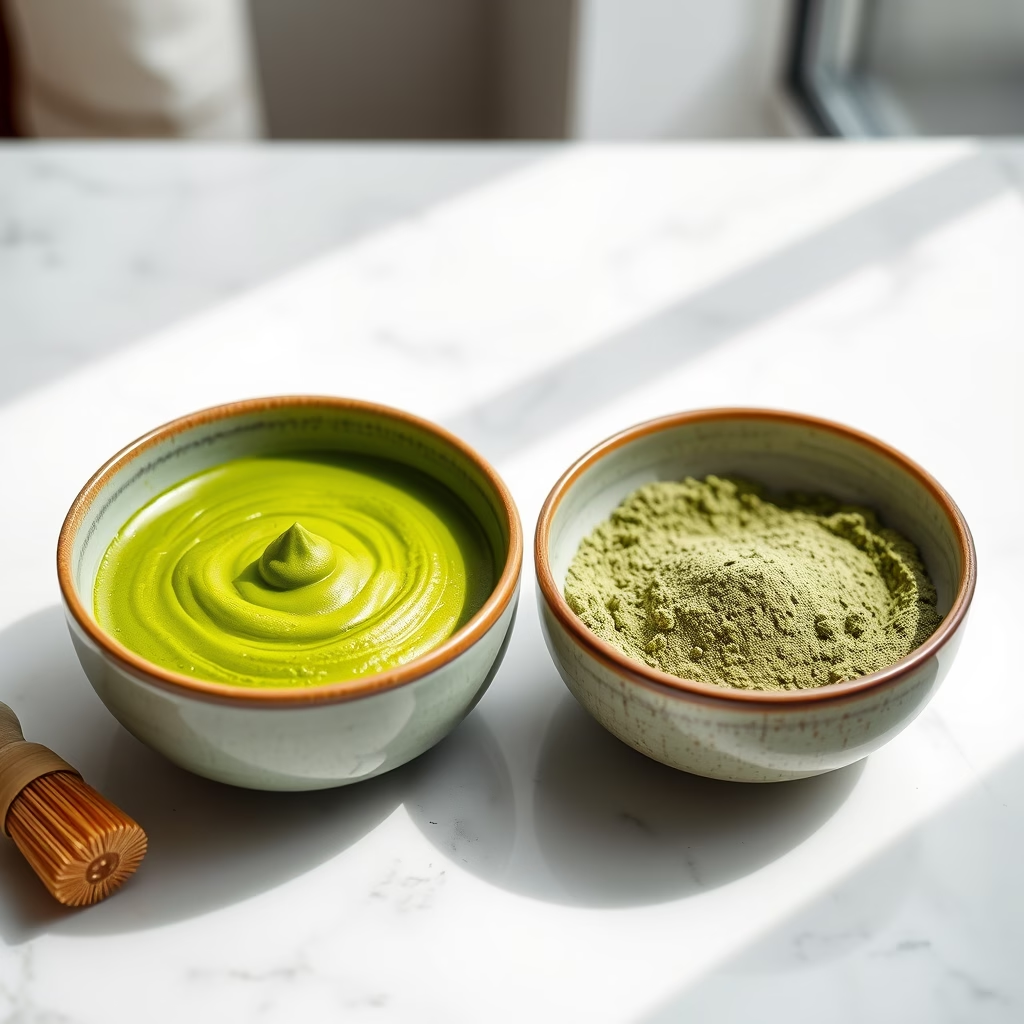
Color is your fastest at-home quality check. Whisk ceremonial matcha and you should see a bright, uniform jade with a fine layer of foam. Culinary matcha mixes to a more muted, sometimes khaki-tinged green. A dull, brownish, or hay-colored powder usually signals oxidation, age, or lower-quality leaf, regardless of the label on the tin. Trust your eyes here as much as the marketing.
5. Texture and milling
The best matcha is ground on traditional granite mills that turn slowly to avoid heat, producing an almost talc-fine powder that whisks into a clean suspension. Ceremonial grades get this slow, patient milling. Many culinary powders are milled faster or more coarsely, leaving a slightly grittier texture. You will feel it: ceremonial matcha dissolves smoothly, while a coarser culinary grade can settle or feel chalky if you drink it straight.
6. Price per gram
7. Intended use
This is the difference that should actually drive your purchase. Ceremonial matcha is made to be the entire experience: whisked with hot water as usucha (thin) or koicha (thick) and sipped slowly. Culinary matcha is a supporting ingredient, built to carry flavor through milk, ice, sugar, and flour. Using culinary grade for a quiet morning bowl will disappoint you; using ceremonial grade in a brownie is a quiet waste of something special.
So which matcha should you buy?
Frequently asked questions
Can I use ceremonial matcha for lattes?
Yes, and it tastes lovely, but it is rarely necessary. Milk and sweetener mute matcha’s subtlety, so the delicate notes you paid for get buried. A mid-range culinary or “latte grade” powder usually gives you a more matcha-forward drink for less money.
Is culinary matcha lower quality or unhealthy?
No. Culinary matcha is still pure powdered green tea with the same general nutritional profile. It is simply made from leaves and a process chosen for bolder flavor and a friendlier price, not for delicate sipping. Good culinary matcha is a genuinely good product for its purpose.
Why does my matcha taste bitter?
Usually one of three culprits: water that is too hot, using a grassy culinary grade for a straight bowl, or old, oxidized powder. Try water around 175°F, switch to a ceremonial grade for plain matcha, and store the tin sealed, cool, and away from light.
How can I tell the grades apart when shopping?
Check the color, the stated harvest, and the recommended use. Vivid green, first-harvest leaves, and “drink straight” language point to ceremonial. Softer green, blended or later harvest, and “for lattes and baking” point to culinary. Honest sellers will tell you outright.