Editorial method: This guide is documentation-based. It does not claim a physical tasting or product test unless a dated protocol, sample source, conditions, and evidence appear on the page. Confirm package-specific ingredients, origin, certification, directions, caffeine, storage, and safety information with the manufacturer or physical label.
Matcha is often described as “powdered green tea,” which is technically true but misses almost everything that makes it distinct. The way matcha is grown, harvested, and processed is fundamentally different from the loose-leaf green tea most people know — and understanding that process explains why quality (and price) varies so dramatically.
What Matcha Actually Is
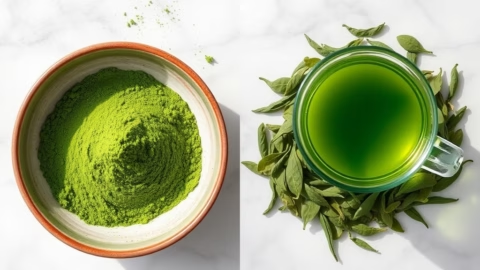
Matcha is finely stone-ground powder made from specially grown and processed green tea leaves (Camellia sinensis, the same plant all true tea comes from). The key differences from regular green tea: the plants are shade-grown before harvest, only the finest leaf material is used, the leaves are de-stemmed and de-veined before grinding, and you consume the entire leaf as powder suspended in water rather than steeping and discarding leaves.
Where Matcha Comes From
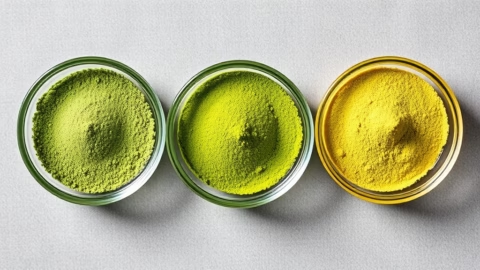
The vast majority of high-quality matcha comes from Japan, with the most renowned growing regions being Uji (Kyoto), Nishio (Aichi), and Yame (Fukuoka). Japan’s climate, soil, and centuries of refined cultivation technique are why Japanese matcha is generally regarded as superior to matcha grown elsewhere. Chinese matcha exists and is typically cheaper, but tends toward a yellower color and more bitter, astringent flavor — usually used for culinary rather than ceremonial purposes.
The Growing Process: Shade Cultivation
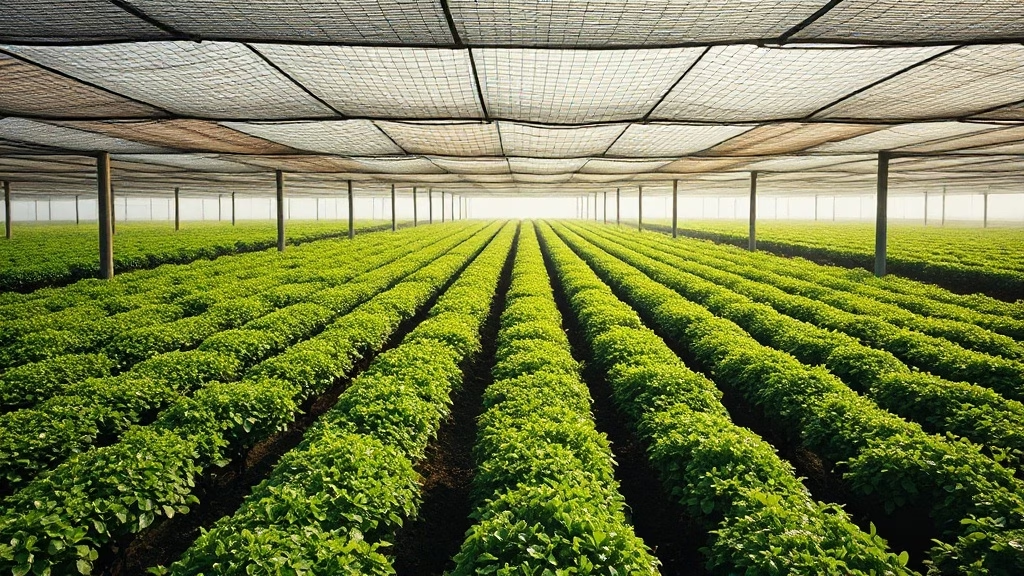
This is the single most important step that separates matcha from ordinary green tea. For roughly 20–30 days before harvest, the tea plants are covered with shade structures (traditionally woven straw, now often synthetic mesh) that block most sunlight.
Depriving the plant of direct sun triggers two changes that define matcha’s character:
- More chlorophyll. The plant produces extra chlorophyll to compensate for reduced light, which gives high-grade matcha its vivid, almost electric green color.
- More L-theanine. Shading slows the conversion of the amino acid L-theanine into catechins (the compounds behind bitterness). More L-theanine means a sweeter, more umami-rich flavor and the characteristic calm-alertness matcha is known for.
Harvest and Processing
After shading, the youngest, most tender leaves are handpicked (for top grades) or machine-harvested. The first harvest of the year (ichibancha, typically May) produces the highest-quality leaves with the most concentrated flavor compounds.
The picked leaves are then:
- Steamed quickly to halt oxidation — this preserves the green color and fresh flavor (unlike black tea, which is deliberately oxidized).
- Dried and processed into a form called tencha — the leaf material with stems and veins removed. Only the pure leaf flesh becomes matcha.
- Stone-ground in traditional granite mills. This step is slow by necessity: a good stone mill produces only about 30–40 grams of matcha per hour, running slowly to avoid generating heat that would degrade the delicate flavor compounds. The result is an extraordinarily fine powder, typically under 10 microns per particle.
The slow stone-grinding is why authentic matcha can’t be produced cheaply at scale — it’s a genuine bottleneck, and faster industrial grinding (ball milling) produces a coarser, lower-quality powder.
Why “Matcha” Literally Means Ground Tea
The word matcha (抹茶) combines “matsu/ma” (to rub or grind) and “cha” (tea) — literally “ground tea.” The name itself points to the defining stone-grinding step. This etymology reflects how central the grinding process is to what matcha fundamentally is, as opposed to steeped teas where the leaf stays whole.