Editorial method: This guide is documentation-based. It does not claim a physical tasting or product test unless a dated protocol, sample source, conditions, and evidence appear on the page. Confirm package-specific ingredients, origin, certification, directions, caffeine, storage, and safety information with the manufacturer or physical label.
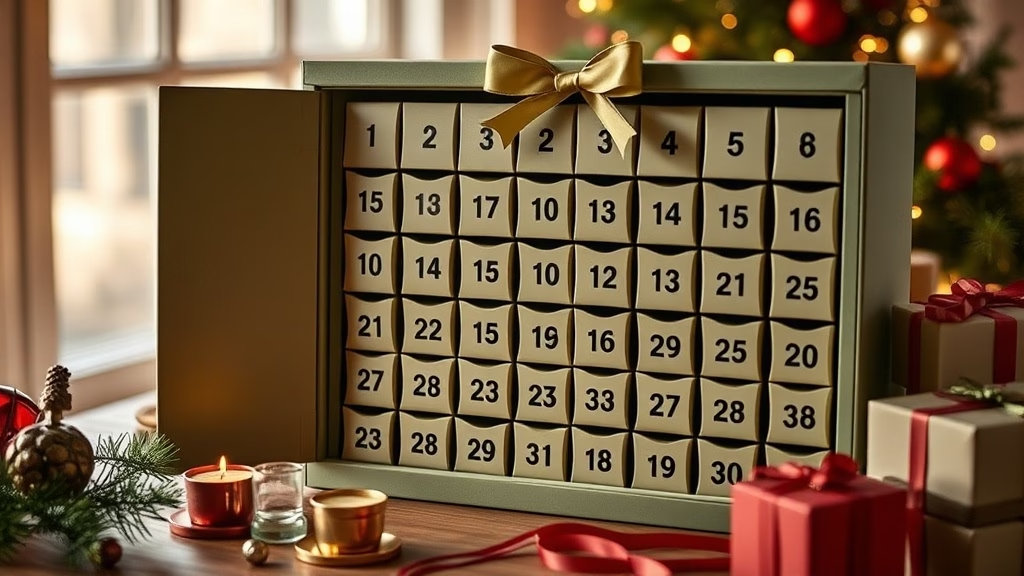
Matcha advent calendars have moved from a niche specialty item to a mainstream holiday gift category, part of the broader trend of advent calendars expanding well beyond chocolate into coffee, tea, skincare, and now matcha specifically. Here’s what to actually expect and how to judge whether one is worth buying or gifting.
What’s Typically Inside
- Single-origin sampler calendars — 24 or 25 small sachets or tins of matcha from different regions or farms, letting you taste variation across origins day by day.
- Grade-variety calendars — a mix of ceremonial and culinary grades at different price points, useful for understanding the practical difference our grades guide covers, rather than reading about it.
- Flavor/blend calendars — matcha blended with different flavors (hojicha, strawberry, vanilla) for variety day to day, generally aimed at culinary use rather than traditional preparation.
- Mixed accessory + matcha calendars — a smaller number of matcha days combined with small accessories (a mini whisk, a bamboo scoop, a small chawan) spread across the calendar.
How to Judge Quality
Advent calendars are novelty-format products, which makes it easier for lower-quality matcha to hide behind attractive packaging. A few things worth checking before buying:
- Origin and harvest information per sachet. A quality calendar specifies origin (ideally Japanese prefecture) and grade for each day’s matcha, not just “premium matcha” as a generic label. If this information is missing entirely, that’s a signal the calendar prioritizes packaging over the product inside.
- Portion size. Check whether each day’s portion is a meaningful serving (roughly 1–2 grams, enough for a single preparation) or a token amount too small to actually taste properly.
- Freshness/production dates. Matcha degrades over time (see our matcha shelf life guide), and a calendar assembled from older stock can taste noticeably duller than fresh matcha, even if the origin claims are accurate.
- Individually sealed portions. Matcha exposed to air degrades quickly; a well-made calendar seals each day’s portion individually rather than using a single perforated sheet that exposes multiple days’ worth of powder to air prematurely.
Who They’re Actually Good For
- Good fit: someone already interested in matcha who wants to explore variety across origins or grades without committing to full-size tins of each; a genuinely novel gift for a tea-curious friend or family member; anyone who enjoys the daily-discovery format regardless of the specific contents.
- Less ideal fit: someone who has already settled on a favorite matcha and wants more of it — a sampler format works against consistency; anyone who drinks matcha daily and would prefer a larger single tin for better value per gram.
Value Compared to Buying Full-Size Tins
Advent calendars almost always cost more per gram than buying full-size tins of comparable matcha — you’re paying for the format, packaging, and variety, not for a bulk discount. This is standard for any sampler/variety product, not specific to matcha. If pure value per gram is your priority and you already know what you like, a full-size tin of your preferred grade is the better buy. If variety and gifting experience matter more than per-gram cost, the calendar format earns its premium.
Gifting Considerations
Bottom Line
Matcha advent calendars are a legitimate, growing gift category — not just a gimmick — but quality varies significantly, and the format inherently costs more per gram than buying matcha directly. Check for origin/grade transparency and individual sealing before buying, and match the format (pure sampler vs. accessory-included) to whether the recipient already has matcha tools.