Editorial method: This guide is documentation-based. It does not claim a physical tasting or product test unless a dated protocol, sample source, conditions, and evidence appear on the page. Confirm package-specific ingredients, origin, certification, directions, caffeine, storage, and safety information with the manufacturer or physical label.
Matcha goes bad faster than most people realize, and the quality degradation is gradual and hard to notice until you taste a fresh tin side-by-side with an old one. The culprit is the same in every case: oxygen, heat, light, and moisture. Here is what actually happens to matcha when it is not stored correctly, and how to prevent it.
Why matcha degrades quickly
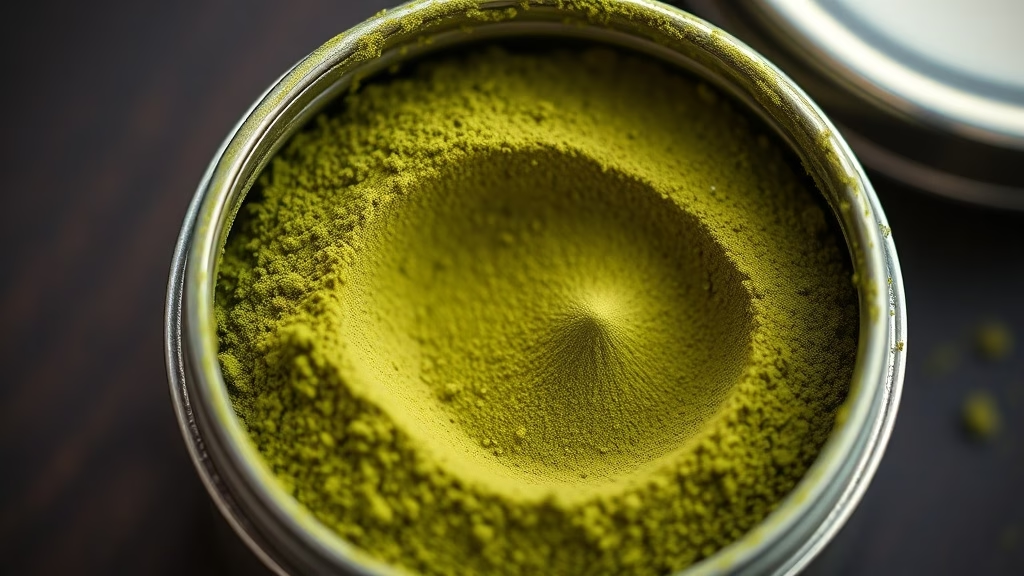
The vivid green color of high-quality matcha comes from chlorophyll. Chlorophyll is sensitive to oxidation — it degrades when exposed to air and turns the powder from bright green to yellow-green or khaki. This color change is the most visible sign of quality loss, and it is accompanied by a corresponding flavor change: the fresh, grassy sweetness becomes flat, dusty, and in advanced cases, slightly stale or fishy.
The amino acids responsible for matcha's umami flavor (primarily L-theanine) and the catechins responsible for its antioxidant content also degrade with prolonged air exposure and heat. An opened tin stored at room temperature in a warm kitchen loses meaningful flavor quality within 4–6 weeks.
How to store an opened tin
Refrigeration is the most effective method. Cold temperatures slow oxidation and microbial activity. Store opened matcha in the refrigerator in an airtight container. The key is to keep it sealed: each time you open the container, you introduce humid refrigerator air. Minimize openings by scooping out several servings at once into a small room-temperature jar and keeping the main supply refrigerated.
Keep it away from strong odors. Matcha absorbs odors from its environment. Storing it next to onions or last night's leftovers in the refrigerator will affect its flavor. A sealed tin or an opaque glass jar with a tight lid is better than a loose-lidded container.
Avoid condensation. Refrigerated matcha should always come to room temperature before you open it, so condensation forms on the outside of the tin rather than inside on the powder. A cold container opened in a warm, humid kitchen pulls moisture into the powder.
How long does matcha last?
Unopened: 12–24 months from the production date for most commercial matcha, though flavor quality is best in the first 6 months. Check for a production date rather than a best-by date — production date tells you how fresh the matcha actually is.
Opened and refrigerated in a sealed container: 4–8 weeks of peak quality, drinkable for 2–3 months.
Opened and stored at room temperature: 2–4 weeks of peak quality.
Signs your matcha has gone stale
Yellow or khaki color (instead of vivid green), a flat or dusty smell instead of a fresh grassy aroma, and a bitter or fishy aftertaste are the main signs. Stale matcha is not unsafe to consume, but the flavor and nutritional profile have degraded significantly.