Editorial method: This guide is documentation-based. It does not claim a physical tasting or product test unless a dated protocol, sample source, conditions, and evidence appear on the page. Confirm package-specific ingredients, origin, certification, directions, caffeine, storage, and safety information with the manufacturer or physical label.
None of these take more than five minutes. Once you learn the base ratio, you can adjust the milk, sweetness, and temperature to your taste and stop paying six dollars a cup.
Ingredients and Tools You’ll Need
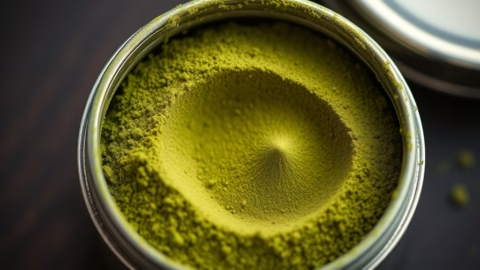
- Matcha powder (culinary grade for lattes)
- Hot water, about 175 degrees F, not boiling
- Milk of your choice, roughly 8 ounces
- Sweetener: honey, maple syrup, or simple syrup
- A small fine-mesh sieve
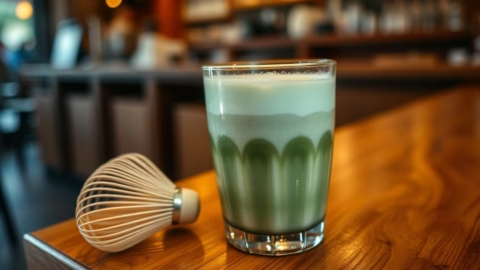
- A bamboo whisk (chasen) or an electric matcha frother
That frother is the single best shortcut for a lump-free cup. A bamboo whisk gives the most authentic foam, but an electric one gets you 90 percent of the way in 10 seconds.
Hot Matcha Latte
- 1 teaspoon matcha powder (about 2 grams)
- 2 ounces hot water (175 degrees F)
- 8 ounces milk, steamed or warmed
- 1 to 2 teaspoons sweetener (optional)
- Sift the matcha into a mug or bowl to remove clumps. This step matters more than people think.
- Add the hot water and whisk briskly in a zigzag motion for 15 to 20 seconds, until a fine foam forms on top.
- Warm and froth the milk, then pour it slowly over the matcha.
- Stir in sweetener to taste and serve right away.
Iced Matcha Latte
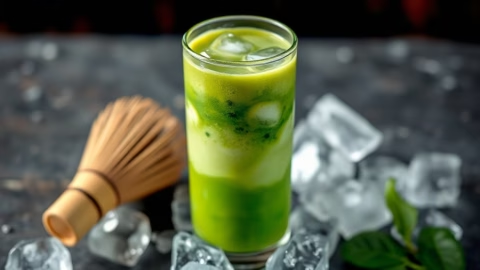
When it’s warm out, this is the move. The cold milk mellows the matcha and the layered green-over-white look is genuinely pretty in a clear glass.
- 1 teaspoon matcha powder (about 2 grams)
- 2 ounces hot water (175 degrees F) to dissolve
- 8 ounces cold milk
- 1 cup ice
- 1 to 2 teaspoons sweetener (optional)
- Sift the matcha into a small bowl, add the hot water, and whisk until smooth and frothy.
- Stir your sweetener into the matcha while it’s still warm so it dissolves fully.
- Fill a tall glass with ice and pour in the cold milk.
- Pour the matcha over the back of a spoon for a layered look, then stir before drinking.
Sweet Cafe-Style Vanilla Matcha Latte
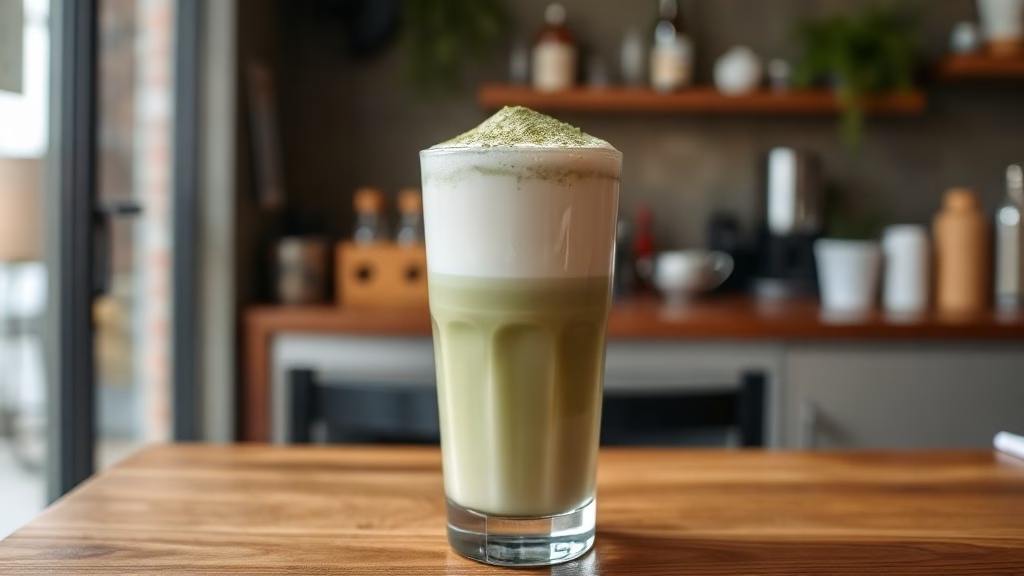
This is the crowd-pleaser, closest to the sweet, creamy version most coffee shops sell. The vanilla rounds out any grassiness and makes it dessert-adjacent.
- 1 teaspoon matcha powder (about 2 grams)
- 2 ounces hot water (175 degrees F)
- 8 ounces milk (oat milk shines here)
- 1 tablespoon vanilla syrup, or 1/2 teaspoon vanilla extract plus 2 teaspoons sweetener
- Sift and whisk the matcha with the hot water until smooth and foamy.
- Combine the milk and vanilla syrup, then warm or chill depending on whether you want it hot or iced.
- Froth the milk for extra body, then pour it over the matcha.
- Give it a final stir and adjust sweetness to taste.
Ratios, Milk Choices, and Sweeteners
The reliable base for any matcha latte recipe is 1 teaspoon of matcha to 2 ounces of water to 8 ounces of milk. Want it stronger? Go up to 2 teaspoons. Always make a smooth paste with the water first, then add milk, this paste-first method is the key to avoiding clumps.
A note on temperature
Never use boiling water. Anything above about 175 degrees F scorches matcha and brings out harsh bitterness. If your kettle has no temperature setting, let boiled water rest for two minutes first. Matcha is a finely ground green tea, and like all green teas it’s sensitive to heat. You can read more about its origins and processing on Wikipedia’s matcha page.
Common Mistakes to Avoid
- Skipping the sieve. Unsifted matcha clumps, and no amount of whisking fully saves it.
- Boiling water. Too hot equals bitter. Aim for 175 degrees F.
- Adding milk first. Always make the matcha paste with water before the milk goes in.
- Stale powder. Matcha fades fast once opened. Proper storage keeps it vivid, here’s how to store matcha.
- Using ceremonial grade for lattes. It’s delicate and gets lost under milk; save it for drinking straight.
Frequently Asked Questions
Can I make a matcha latte without a whisk?
Yes. An electric frother works great, or shake the matcha and water in a sealed jar until smooth. A small kitchen whisk in a pinch will do, it just takes more effort to break up the powder.
How much caffeine is in a matcha latte?
A latte made with 1 teaspoon of matcha has roughly 60 to 70 milligrams of caffeine, a bit less than a standard cup of coffee. Because matcha also contains L-theanine, the energy tends to feel steadier and less jittery.
Why is my matcha latte bitter?
Usually it’s water that’s too hot, too much powder, or a low-quality matcha. Drop your water temperature, start with 1 teaspoon, and use a fresh, smooth culinary grade powder.
What’s the best milk for a matcha latte?
Whole milk for richness, oat milk for the best non-dairy option. Oat milk’s gentle sweetness pairs especially well with matcha’s earthy notes and froths nicely.
Your Go-To Matcha Latte Recipe
Once you’ve got the paste-first method and the 1-to-2-to-8 ratio down, this matcha latte recipe becomes second nature. Start with the hot version to learn the technique, then branch into iced and vanilla as the mood strikes. Use a fresh culinary-grade powder, keep your water below boiling, and you’ll be making cafe-quality lattes at home for a fraction of the price. Now go put the kettle on.