Editorial method: This guide is documentation-based. It does not claim a physical tasting or product test unless a dated protocol, sample source, conditions, and evidence appear on the page. Confirm package-specific ingredients, origin, certification, directions, caffeine, storage, and safety information with the manufacturer or physical label.
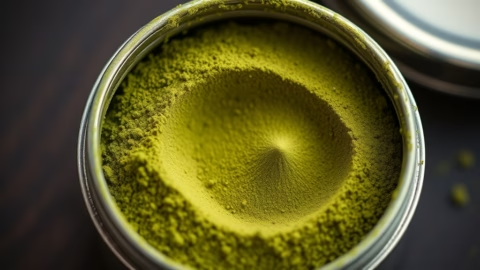
Matcha has four enemies: air, light, heat, and moisture. Oxygen oxidizes the leaf and washes out the color. Light breaks down chlorophyll and the compounds behind that signature green. Heat speeds every reaction up. Moisture invites clumping, off-flavors, and even spoilage. Beat those four, and you keep your matcha tasting the way it did the day you opened it.
The 5 rules for how to store matcha
1. Keep it in an airtight container
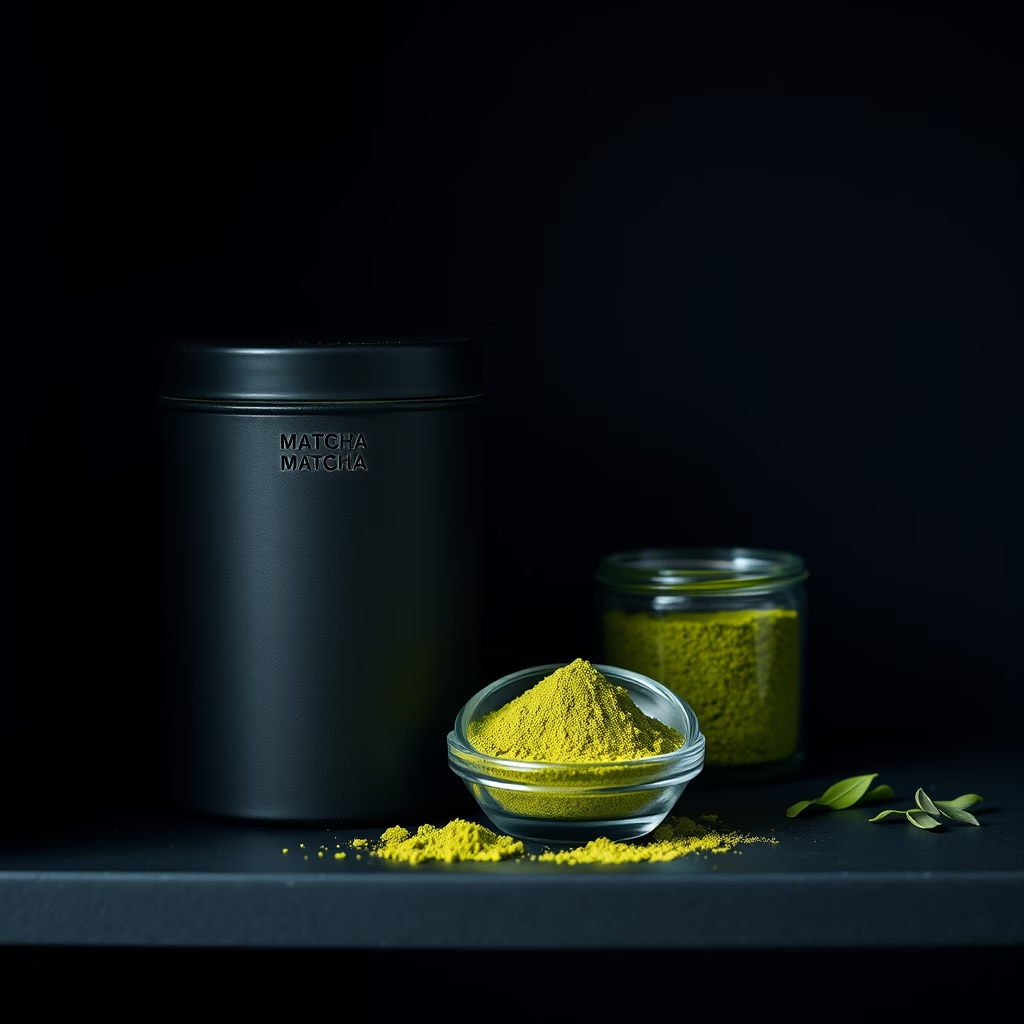
Air is the first thing to manage. Every time matcha meets oxygen, it loses a little color and brightness. Store it in a truly airtight container, ideally the resealable tin or pouch it shipped in. Press the air out of pouches before sealing, and if you decant into a tin, choose one with a tight inner lid. Open it only to scoop what you need, then close it right away. The less your matcha breathes, the longer it stays vivid and sweet.
2. Keep it dark
Light is matcha’s quiet thief. Even ambient kitchen light slowly fades the green and dulls the flavor, which is why quality matcha rarely comes in clear glass. Keep your tin in a closed cupboard or drawer, away from windows and overhead spotlights. If your container is see-through, wrap it or tuck it into a box. A dark, undisturbed corner does more for freshness than almost anything else.
3. Keep it cool (and mind condensation)
Heat accelerates the staleness clock, so store matcha somewhere consistently cool, never beside the stove, oven, or a sunny sill. The refrigerator can help for matcha you will not finish quickly, but there is a real caveat: condensation. Cold tea pulled straight into a warm room draws moisture, and damp matcha clumps and spoils. If you refrigerate, keep it tightly sealed and let the sealed container return to room temperature before you open it. For tea you use within a few weeks, a cool, dark cupboard is plenty.
4. Keep it away from moisture and strong odors
Matcha is a fine powder with a lot of surface area, which makes it a sponge for both water and smells. Never let a wet spoon or steamy air near it, and never store it above the kettle. Just as important, keep it away from pungent neighbors like coffee, spices, garlic, and onions. Matcha will happily absorb those aromas and serve them back to you in your bowl. A clean, dry, odor-free container in a dry spot is the goal.
5. Buy small and use it fast
How long does matcha last?
Treat dates as guidance, not gospel, because storage matters more than the calendar. Sealed and unopened, matcha generally keeps its quality for roughly twelve months from production when stored cool and dark. Once you break the seal, the countdown speeds up: plan to enjoy opened matcha within about four to six weeks for the best color and flavor. It will not become unsafe the moment that window closes, but the brilliance and sweetness you paid for will steadily slip away. Whether you are whisking it for tea or folding it into a matcha latte recipe, fresher always tastes better.
Should you keep matcha in the fridge?
Yes and no, and the honest answer depends on how fast you drink it. If you will finish a tin within a month, the fridge is unnecessary; a cool, dark cupboard does the job without any condensation worry. If you are storing matcha longer, or buying ahead, the refrigerator slows aging nicely. The non-negotiable rule is this: keep it sealed in an airtight container and let that container come fully to room temperature before opening. Open cold tea in a warm kitchen and you invite the very moisture you are trying to avoid.
Signs your matcha has gone stale
Your senses are the best test. Watch for these three signals:
- Dull color. Fresh matcha is a vivid, almost electric green. A yellowish, brownish, or muted olive tone means oxidation has set in.
- A hay or grassy-flat smell. Lively matcha smells sweet, fresh, and vegetal. If it smells like dried hay, straw, or nothing much at all, it has faded.
- A flat, harsh, bitter taste. Good matcha is smooth with natural sweetness. Stale matcha turns flat and one-note bitter, losing its umami roundness.
One or more of these means it is time to start fresh. Stale matcha is not dangerous, just disappointing. Matcha is a finely ground green tea, and like all ground green tea, it simply does not keep its peak forever.
Frequently asked questions
Can I freeze matcha?
You can, but it is rarely worth it for home use, and the same condensation risk applies in stronger form. If you freeze it, seal it airtight and thaw the sealed container completely before opening. For most people, a cool cupboard and smaller purchases are easier and just as effective.
Does matcha expire or go bad?
It loses quality long before it becomes unsafe. Properly stored matcha that simply tastes flat is past its prime, not spoiled. Toss it if it ever shows moisture, clumping, or any musty, off smell.
Where is the best place to store matcha?
An airtight, opaque container in a cool, dark, dry cupboard away from the stove and from strong-smelling foods. That single spot covers all four enemies at once.
Does storage differ for ceremonial versus culinary grade?
The rules are identical, but delicate ceremonial-grade matcha shows fading faster, so it rewards careful storage even more. Culinary grade is more forgiving in baking and lattes.