Editorial method: This guide is documentation-based. It does not claim a physical tasting or product test unless a dated protocol, sample source, conditions, and evidence appear on the page. Confirm package-specific ingredients, origin, certification, directions, caffeine, storage, and safety information with the manufacturer or physical label.
A matcha latte calls for a different type of matcha than a traditional thin tea. The flavor profile you want in a latte — bolder, slightly more assertive, able to cut through steamed milk — is exactly what culinary-grade or “latte-grade” matcha delivers. Using ceremonial matcha in a latte is not wrong, but it is an expensive way to produce something that tastes nearly identical to a well-made culinary matcha version.
Why culinary matcha works better in lattes
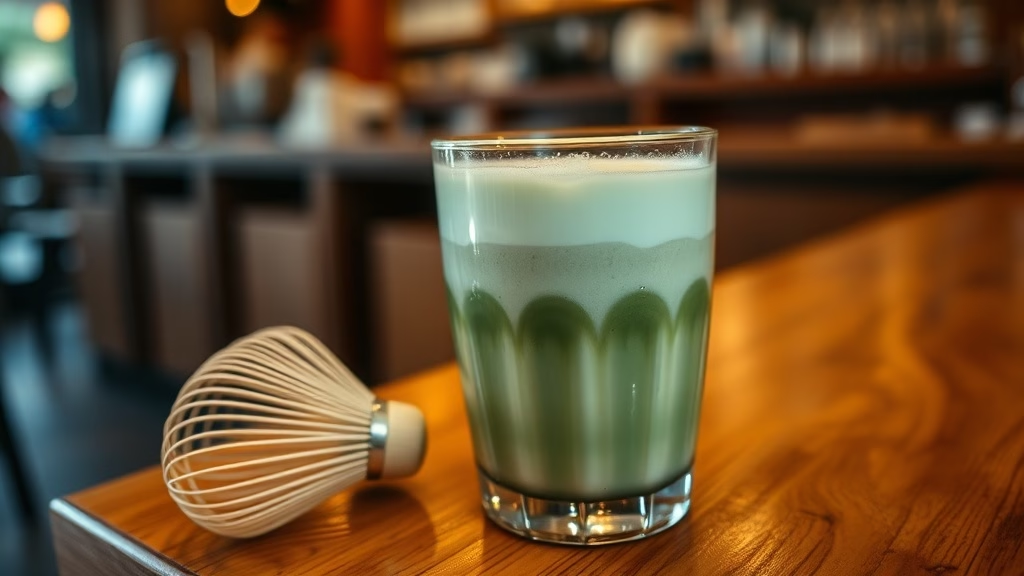
Traditional ceremonial matcha preparation uses only hot water, a bamboo whisk, and a bowl. The matcha is the only flavor, so subtlety and sweetness matter enormously. In a latte, milk proteins bind with some of the tannins and bitter compounds in matcha, which actually works in favor of culinary-grade matcha: the slightly stronger, more vegetal flavor of culinary matcha holds its own against dairy (or non-dairy alternatives), while ceremonial matcha's delicate sweetness can get lost.
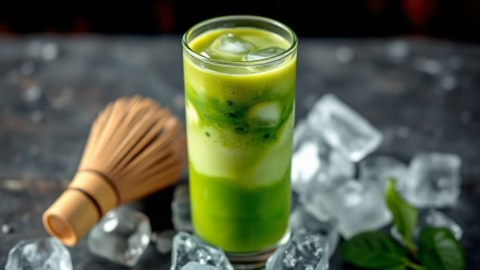
The one case where ceremonial matcha makes sense in a latte is an iced, lightly sweetened preparation with minimal milk — something close to a matcha-forward cold brew. In that context the flavor nuance remains noticeable.
What to look for in latte matcha
Origin still matters. Japanese culinary matcha is reliably smoother and more intensely flavored than Chinese culinary matcha, which tends to be yellower and more bitter. For lattes, Japanese culinary from Uji or Nishio is preferable.
Fine grind is important for lattes. Culinary matcha that does not disperse smoothly in cold milk creates a gritty texture. Look for culinary matcha that specifies fine milling, or test by shaking a small amount in cold oat milk and letting it sit for 30 seconds.
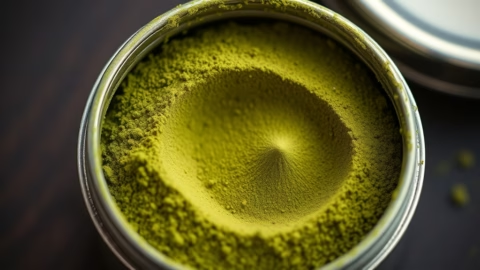
Color is a quality indicator. Vivid green means higher chlorophyll content and a fresher, more pleasant flavor. Yellow or khaki-colored culinary matcha is overly astringent and suggests poor storage or low-grade leaf material.
Sweetness compatibility. Matcha lattes are usually sweetened. The culinary matcha you choose should be flavorful enough to taste like matcha rather than green vegetable water when prepared with 1–2 teaspoons per drink and your preferred sweetener.
How to make a matcha latte
The most common failure in home matcha lattes is insufficient whisking. Matcha is hydrophobic — it repels water — and requires active agitation to disperse. Here is a reliable method:
- Sift 1.5–2 teaspoons of culinary matcha into a mug or bowl.
- Add 2 tablespoons of hot water (not boiling — around 80°C is ideal). Whisk vigorously in a W or M pattern for 30–45 seconds until no clumps remain and a light foam has formed.
- Add your milk (steamed for a hot latte, cold for an iced version) and sweetener.
For iced lattes, dissolve the matcha in hot water first, then pour over ice and cold milk. Adding cold milk directly to undissolved matcha powder produces a lumpy drink.