Editorial method: This guide is documentation-based. It does not claim a physical tasting or product test unless a dated protocol, sample source, conditions, and evidence appear on the page. Confirm package-specific ingredients, origin, certification, directions, caffeine, storage, and safety information with the manufacturer or physical label.
Pouring hot matcha over ice sounds like the obvious shortcut to iced matcha, but it’s also the most common way to end up with a clumpy, unevenly dissolved drink. Matcha needs to be properly dissolved before it meets cold liquid — the order of operations matters more than most people expect.
Why Matcha Clumps in Cold Prep
Matcha is a fine powder that’s hydrophobic (water-repelling) until it’s been agitated enough to fully disperse. Hot water helps this process along — heat reduces the surface tension that causes powder to clump, making it easier to whisk smooth. Cold water and cold milk have higher surface tension, which makes matcha noticeably more prone to clumping if you try to dissolve it directly in a cold liquid rather than dissolving it first in a small amount of hot water.
This is the core mistake behind most bad iced matcha: adding matcha powder straight into a glass of cold milk or water and stirring. Even vigorous stirring rarely fully dissolves matcha under those conditions — you end up with floating clumps and a gritty texture at the bottom of the glass.
The Right Method
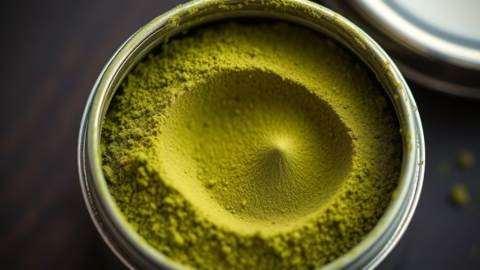
- Sift the matcha into a bowl or cup using a small fine-mesh strainer. Matcha naturally clumps in storage, and sifting breaks up those clumps before you even start whisking — skipping this step is a major contributor to a gritty final result.
- Add a small amount of hot water — about 2 tablespoons, at roughly 175–185°F (not boiling; overly hot water can scorch the delicate flavor compounds and add bitterness). Boiling water specifically should be avoided.
- Whisk vigorously in a W or M motion (not circular stirring, which doesn’t aerate or disperse the powder as effectively) using a bamboo whisk (chasen) or a small handheld frother, for 20–30 seconds until fully dissolved with no visible clumps and a light foam on top. See our whisking technique guide for the full method.
- Fill a glass with ice separately — don’t add ice to the bowl you just whisked in, since that dilutes and cools the concentrated matcha unevenly.
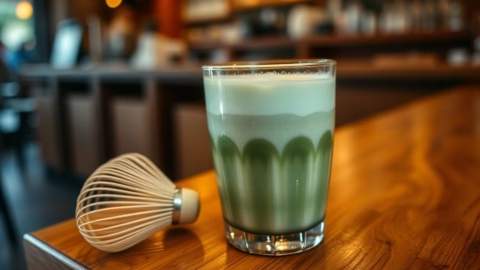
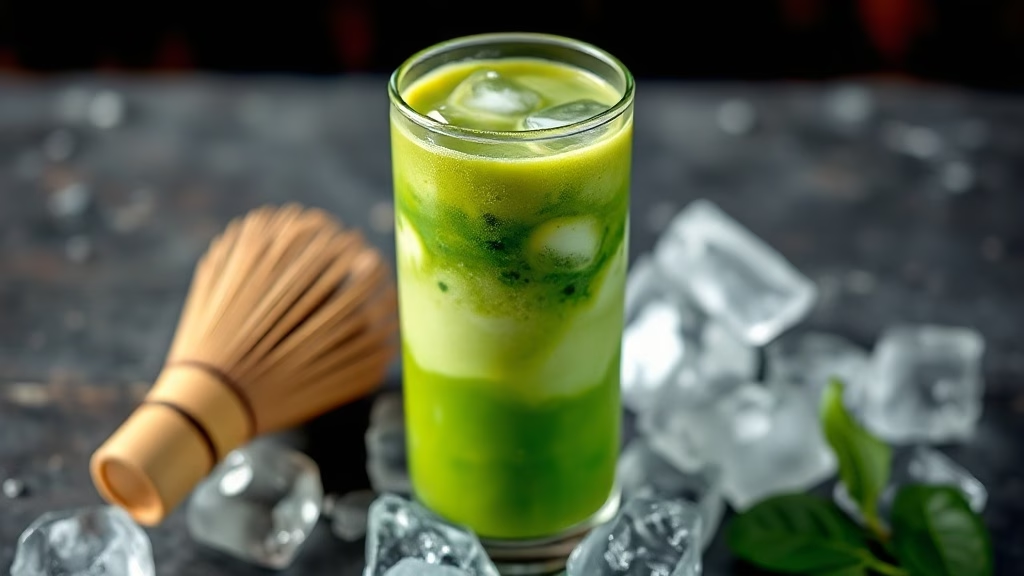
- Pour the dissolved matcha over the ice, then add cold water, milk, or a milk alternative to fill the glass. Because the matcha is already fully dissolved before this step, it distributes evenly through the cold liquid instead of clumping.
Getting the Ratio Right
For a straight iced matcha (no milk), a standard ratio is about 1–1.5 teaspoons of matcha to 6–8 oz of total liquid (the initial hot water plus the cold water/ice you add after). This produces a similar strength to what you’d get from a traditional usucha preparation, just served cold.
Sweetening Iced Matcha
If you want it sweetened, dissolve the sweetener (simple syrup works better than granulated sugar, which doesn’t dissolve well in cold liquid) into the hot water step alongside the matcha, or into the initial small hot-water whisk before adding ice. Adding granulated sugar directly to the finished cold drink often leaves undissolved sugar at the bottom of the glass.
Can You Use Cold Water for the Whole Process?
Not recommended for the dissolving step specifically — you can use a milk frother or an electric whisk with enough mechanical force to sometimes overcome cold water’s higher surface tension, but a standard bamboo chasen whisked in fully cold water will struggle to fully dissolve matcha compared to the hot-water-first method. If you don’t have any way to heat water (some minimal ice-only setups), a high-speed blender can substitute for the mechanical agitation, but the two-step hot-then-cold method remains the most reliable for a smooth result with standard whisking tools.
Common Mistakes
- Skipping the sift. Even experienced matcha drinkers underestimate how much this single step affects clump-free results.
- Using boiling water. Scorches flavor and increases bitterness — let water cool slightly after boiling, or use a kettle with temperature control if you make matcha often.
- Adding matcha directly to a full glass of cold liquid. The single most common cause of clumpy iced matcha — always dissolve in a small amount of hot water first.
- Under-whisking. A quick 5-second stir isn’t enough; give it the full 20–30 seconds of vigorous whisking motion.