Editorial method: This guide is documentation-based. It does not claim a physical tasting or product test unless a dated protocol, sample source, conditions, and evidence appear on the page. Confirm package-specific ingredients, origin, certification, directions, caffeine, storage, and safety information with the manufacturer or physical label.
Matcha starter sets are marketed as the easy on-ramp: one purchase, everything you need. Buying pieces separately takes more research but gives you control over quality at each step. Whether the set is actually the better deal depends on what you’re optimizing for.
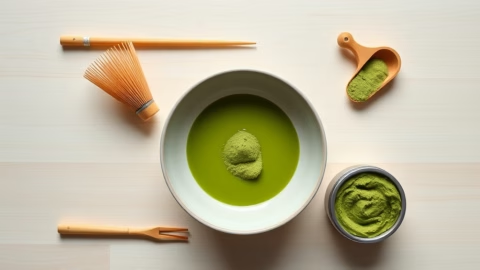
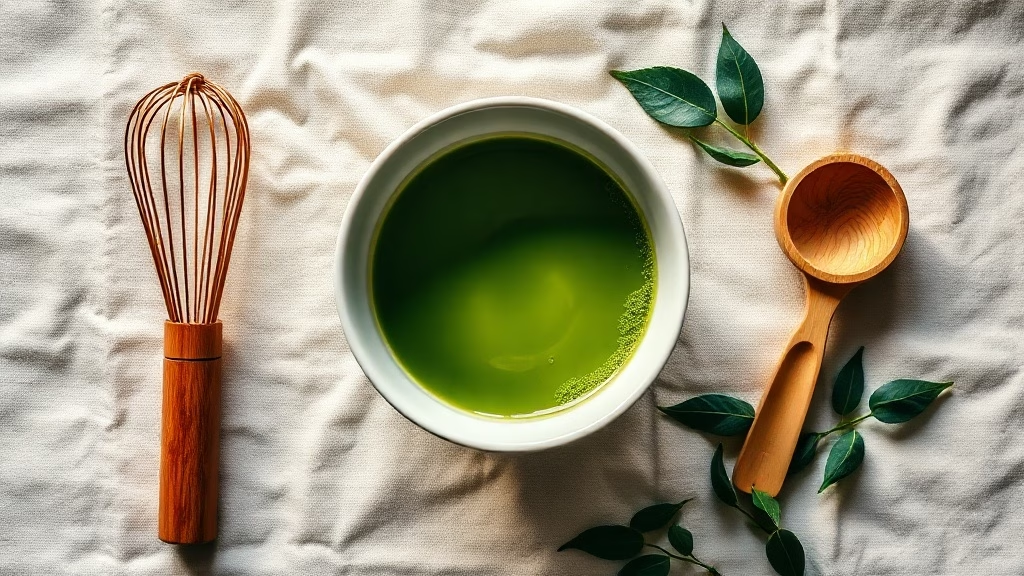
What’s Typically in a Matcha Set
The Cost Comparison
At the mid-range, a matcha set and comparable individual pieces — a decent 80–100 prong chasen, a proper chawan with a rounded interior and a bamboo chashaku — usually cost about the same in total. At the mid-tier, the price difference is usually small enough not to be the deciding factor.
Where sets genuinely save money is at the budget end: an inexpensive starter set often beats buying three separate budget pieces individually, since shipping and minimum-order pricing on single cheap items eats into any savings. At the premium end, the opposite is often true — buying a specific artisan-made chawan and a specific high-quality chasen separately usually costs more than any bundled set, because premium sets tend to bundle a nicer whisk with a more basic bowl (or vice versa) rather than premium versions of both.
The Quality Trade-off
When a Set Makes Sense
- You’re not sure you’ll stick with the ritual. A set lets you try the full experience without researching every component individually before you know if you’ll actually use it regularly.
- You want it as a gift. Sets present better as a single cohesive gift than a pile of separately-sourced pieces, and gift recipients generally aren’t picky about prong count.
- You value convenience over optimization. If research fatigue is real for you, a well-reviewed set from a specialty matcha retailer (rather than a generic Amazon bundle) gets you a reasonable outcome without deep-diving into whisk mechanics.
When Buying Separately Makes Sense
- You already know your preferences — for example, you’ve used a friend’s whisk and know you want a higher prong count, or you’ve decided bowl shape matters more to you than material.
- You’re upgrading one component of an existing setup rather than starting from scratch — replacing a snapped whisk, for instance, doesn’t require a whole new set.
- You want the best possible version of each piece within your total budget, rather than a balanced-but-unremarkable bundle.
A Reasonable Middle Path
Buy a basic, inexpensive set to start (or just a whisk and bowl, skipping the scoop since a regular spoon works fine initially), use it for a month or two to confirm you’ll stick with matcha as a habit, then selectively upgrade the piece that bothers you most — usually the whisk, since prong count and construction quality make the most noticeable difference to the actual whisking experience.