Editorial method: This guide is documentation-based. It does not claim a physical tasting or product test unless a dated protocol, sample source, conditions, and evidence appear on the page. Confirm package-specific ingredients, origin, certification, directions, caffeine, storage, and safety information with the manufacturer or physical label.
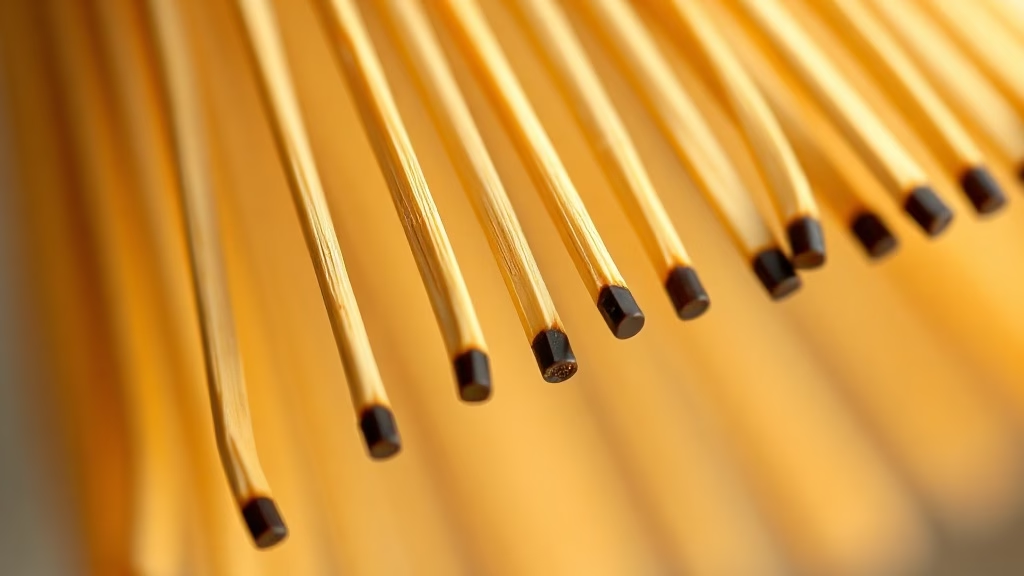
Every chasen (bamboo matcha whisk) is carved from a single piece of bamboo, split into dozens of fine tines. The number of tines — the prong count — is printed or listed on most whisks you’ll find for sale, usually somewhere between 16 (a coarse, traditional koicha whisk) and 120 (a fine usucha whisk). For most home users choosing between a standard set of options, the real question is what 80 vs. 100 vs. 120 actually changes in practice.
What Prong Count Physically Changes
More prongs mean more surface area contacting the matcha and water during whisking, and thinner individual tines since the same circumference of bamboo is split into more pieces. This has two effects:
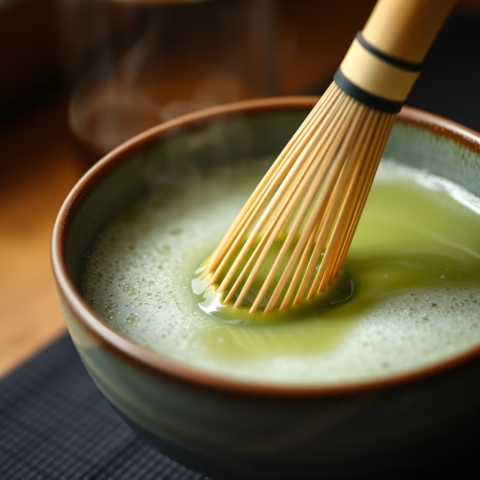
- Froth texture. More, thinner prongs create smaller, finer bubbles, producing a denser, creamier foam. Fewer, thicker prongs create larger bubbles and a looser, less uniform froth.
- Whisking effort. Thinner prongs flex more with each stroke, which for most people makes the whisking motion feel lighter and requires less wrist effort to achieve full incorporation. Thicker prongs are stiffer and need slightly more deliberate motion.
80 Prongs
An 80-prong chasen sits at the lower end of what’s typically sold for ceremonial matcha preparation. It produces a good froth for usucha (thin tea) but with a slightly looser bubble structure than higher counts. This is a reasonable choice if you’re whisking primarily for flavor rather than a photogenic dense foam layer, and it tends to be more durable for daily use since the individual tines are thicker and less prone to snapping.
100 Prongs
100 prongs is the most common count for general-purpose ceremonial whisking and the safest default if you’re buying your first chasen. It balances froth quality with tine durability reasonably well — fine enough to produce a nice foam cap, sturdy enough to survive regular use without excessive tine breakage. If you’re only going to own one whisk, 100 prongs covers usucha well and koicha adequately (though a dedicated coarse whisk is better for koicha specifically).
120 Prongs
120-prong (and higher, some go to 100–130) whisks are aimed at usucha specifically, where a dense, long-lasting foam is part of the traditional presentation standard. The thinner tines at this count are also the most fragile — they snap more easily with aggressive whisking or improper storage, and they’re usually the most expensive chasen given the finer bamboo work required. If you’re chasing competition-level foam density or serve matcha where presentation matters (a cafe setting, photography, guests), 120 is worth the extra care it requires.
Does Prong Count Matter for Matcha Lattes?
Prong Count and Whisk Care
Which Should You Buy?
For most people getting started: 80–100 prongs. It’s durable, affordable, and produces a perfectly good froth for daily usucha and lattes alike. Reserve 120-prong whisks for once you’re confident in your technique and specifically want the denser foam for ceremonial-style presentation — the fragility isn’t worth it while you’re still developing consistent whisking form.