Editorial method: This guide is documentation-based. It does not claim a physical tasting or product test unless a dated protocol, sample source, conditions, and evidence appear on the page. Confirm package-specific ingredients, origin, certification, directions, caffeine, storage, and safety information with the manufacturer or physical label.
What You Need to Make Matcha
The Tools
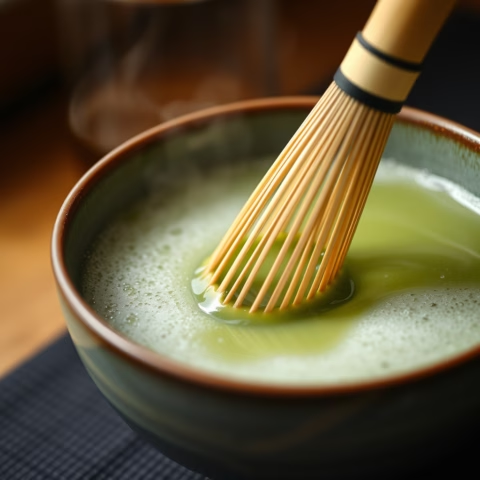
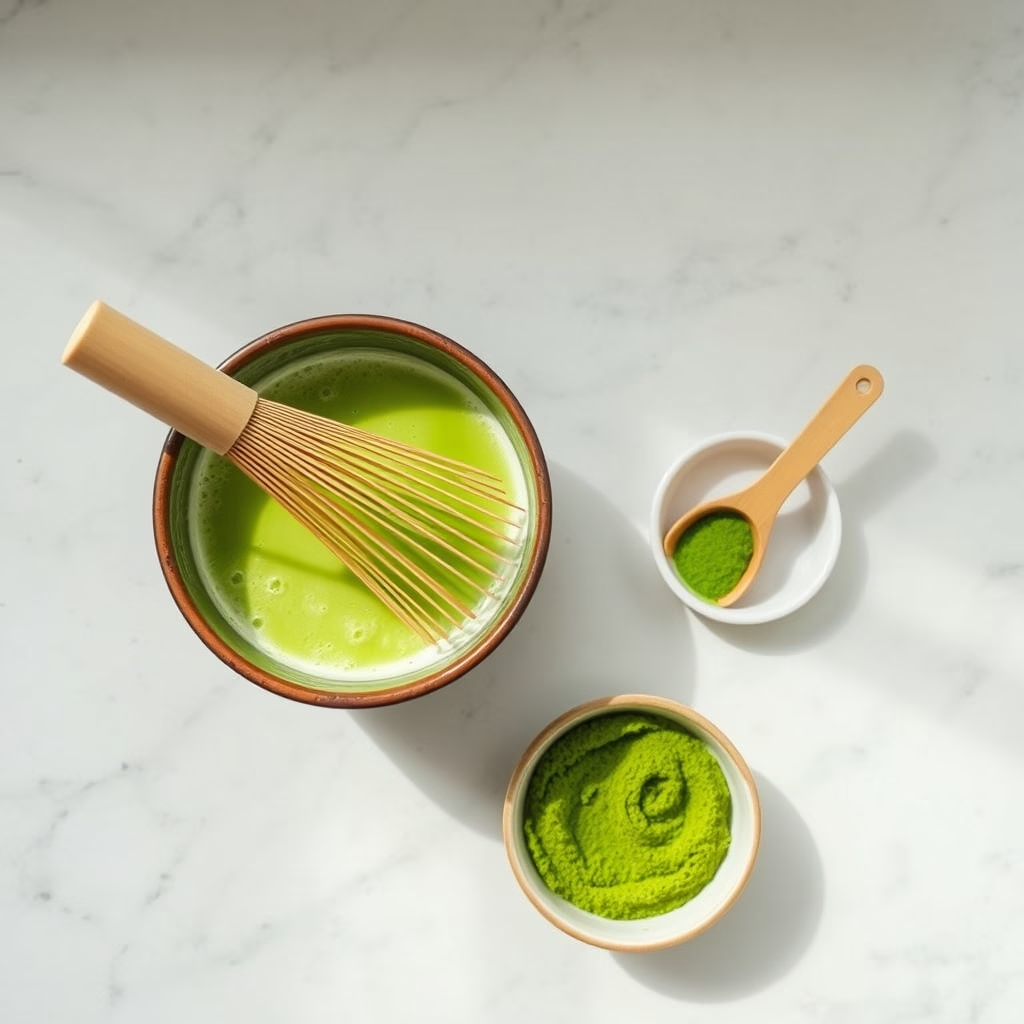
- A bamboo whisk (chasen). This is the non-negotiable one. The fine prongs aerate the tea in a way no spoon or fork can match. A good bamboo matcha whisk is the single best investment for your cup. If you’re comparing options, our guide to the best matcha whisk breaks down what to look for.
- A small sifter or fine mesh strainer. Matcha clumps as it sits. Sifting is the secret most people skip.
- A wide bowl (chawan) or any shallow bowl. Width gives your whisk room to move. A cereal bowl works in a pinch.
- A measuring scoop (chashaku) or a half-teaspoon.
- A kettle, ideally one you can hold at temperature.
The Matcha
Step 1: Sift the Matcha
Add about a teaspoon of matcha to your sifter held over the bowl, and tap it through. This takes ten seconds and saves you from chasing clumps later. Matcha is finely milled and clings to itself, so even fresh powder benefits from a quick pass. Skip this step and you’ll spend the whole whisk fighting little green pellets that refuse to dissolve.
Step 2: Measure Your Matcha
For a standard bowl, use one to two scoops of a chashaku, or roughly a half to one teaspoon. That’s about one to two grams. Start on the lighter side if you’re new; you can always add more next time. Too much powder makes the tea thick and astringent, while too little leaves it watery and thin. Once you find your sweet spot, you’ll measure by eye.
Step 3: Add Hot Water at About 175F
This is where most home cups go wrong. Boiling water scorches matcha and turns it harsh and bitter. You want water around 175F (80C). If you don’t own a variable kettle, boil your water, then let it sit for two to three minutes, or pour in a splash of cool water to bring the temperature down.
Pour just two to three ounces over your sifted powder at first. A smaller amount of water lets you whisk a thick, smooth paste before you dilute. Adding all your water at once makes it harder to break up the powder evenly.
Step 4: Whisk in a W or M Motion
Hold the bowl steady with one hand and the whisk lightly in the other. Now whisk briskly in a W or M shape, keeping the chasen near the surface rather than grinding it into the bottom. The motion is all in your wrist, quick and loose, like you’re shaking off water.
Step 5: Top Up and Enjoy
Once you have a frothy, lump-free base, top up with another two to four ounces of hot water to reach your preferred strength, or pour the concentrate straight over milk for a latte. Give it one last gentle swirl with the whisk. Drink it promptly. Matcha separates as it sits, so the first few minutes are when it tastes its brightest and most balanced.
Hot vs. Iced Matcha
The method above gives you hot matcha, but the same base works beautifully over ice. The trick is to whisk your concentrate with that small splash of hot water first, exactly as above, because cold water won’t dissolve the powder. Then pour the smooth concentrate over a glass full of ice and cold water or milk.
Whisking with hot water and then cooling it down is the reliable path to an iced cup with no gritty bottom. Skipping the hot-water step is the most common reason iced matcha turns out chalky.
Common Mistakes to Avoid
- Using boiling water. The fastest way to a bitter bowl. Let it cool to around 175F.
- Skipping the sift. Ten seconds now saves clumps later.
- Whisking too slowly. Froth comes from speed, not force. Keep it light and quick.
- Using cooking or culinary grade for drinking. Save that for baking and lattes; drink the ceremonial stuff straight.
- Letting it sit. Matcha is a fresh drink. Whisk it, drink it.
Frequently Asked Questions
Can I make matcha without a bamboo whisk?
You can use a small electric frother or a jar with a tight lid in a pinch, but neither aerates as well as a chasen. A bamboo whisk creates that signature fine, creamy foam and is gentle on your bowl. For everyday drinking, it’s worth the small investment.
How much matcha should I use per cup?
Start with about one to two grams, or a half to one teaspoon, per bowl. Adjust to taste from there. If your tea feels too strong or astringent, ease back on the powder; if it tastes thin, add a touch more.
Why is my matcha bitter?
Bitterness usually comes from water that’s too hot or matcha that’s too low in quality. Drop your water temperature toward 175F and make sure you’re using a fresh, vivid-green ceremonial grade. Old, dull powder will taste harsh no matter what.
What is matcha, exactly?
Matcha is finely ground powder made from specially grown and processed green tea leaves. Because you drink the whole leaf rather than steeping and discarding it, it’s more concentrated than regular green tea. You can read more in the Wikipedia article on matcha.