Editorial method: This guide is documentation-based. It does not claim a physical tasting or product test unless a dated protocol, sample source, conditions, and evidence appear on the page. Confirm package-specific ingredients, origin, certification, directions, caffeine, storage, and safety information with the manufacturer or physical label.
A chawan (matcha bowl) is not just a vessel — its shape directly affects how easily you can whisk matcha to a smooth, clump-free froth. Beginners often assume any wide bowl works, then struggle with matcha pooling in corners or splashing over the rim. Here’s what to actually look for.
Shape: Why the Curve Matters
Traditional chawan have a rounded interior base rather than a flat bottom. This curve matters mechanically: when you whisk in the traditional W or M pattern, a rounded base lets the whisk tines sweep through every part of the bowl without catching in a flat corner where matcha can pool undissolved. A flat-bottomed bowl (like a standard cereal bowl) traps matcha powder in the corners between the base and the walls, making it much harder to fully dissolve without excessive whisking.
Two traditional shape categories are worth knowing:
- Wide, shallow bowls (often used in summer, called natsu-jawan) dissipate heat faster, keeping the tea cooler while you drink, and give you more whisking room. Good for beginners since there’s more surface area to work with.
- Deeper, narrower bowls (winter style, fuyu-jawan) retain heat longer and concentrate the froth, but require slightly more precise whisking technique to avoid splashing given the narrower diameter.
For a first bowl, wide and shallow is the more forgiving choice while you’re developing whisking technique.
Size: What’s Actually Practical
Glaze and Interior Texture
The interior glaze affects both aesthetics and function:
- Matte or lightly textured glazes provide slight friction against the whisk tines, which some practitioners find helps agitate the matcha more effectively than a perfectly smooth, glassy interior.
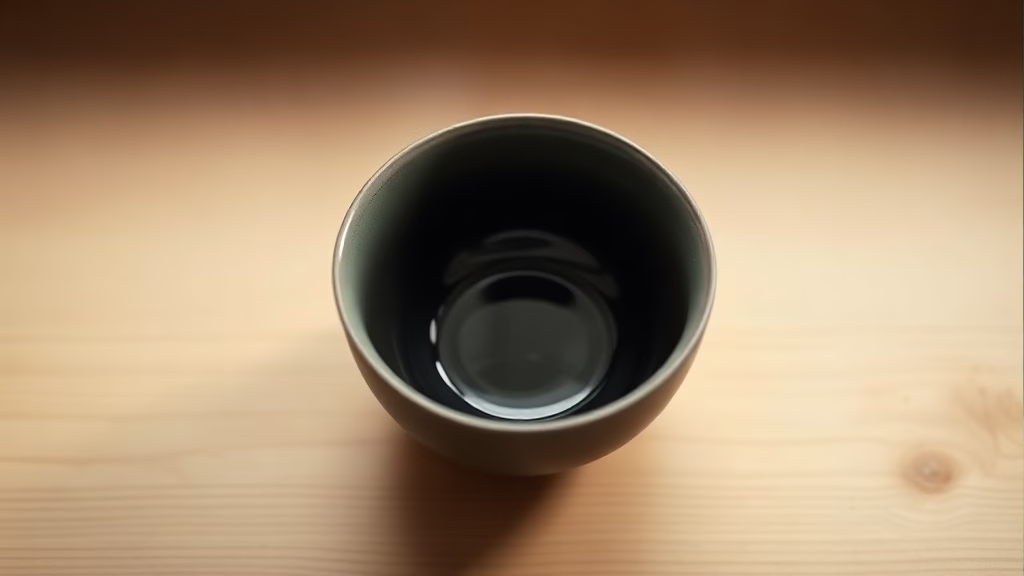
- Dark interior glazes (black, dark brown, navy) make the vivid green of ceremonial matcha visually pop — a meaningful aesthetic consideration if color is part of what you enjoy about the ritual, and useful practically since it’s easier to spot undissolved clumps against a dark background.
- Light or white interiors show matcha’s true color less dramatically but make it easier to judge whether the matcha itself (not the bowl) has good, vivid color — useful if you’re comparing different powders.
Material
Ceramic and stoneware are standard and traditional. A few practical notes: unglazed or partially glazed exteriors (common in rustic, wabi-sabi style bowls) can absorb moisture over repeated use if not dried thoroughly, so make sure the bowl is completely dry before storage. Fully glazed bowls (interior and exterior) are more forgiving for daily use and easier to clean, at some cost to traditional aesthetic character.
Do You Need a "Real" Chawan, or Will Any Bowl Do?
A wide ceramic bowl with a rounded interior base will get you 90% of the functional benefit even if it wasn’t made specifically as a chawan. What you’re optimizing for — rounded interior, adequate width, comfortable size to hold while whisking — can be found outside dedicated matcha bowl lines. That said, purpose-made chawan are shaped specifically around these whisking mechanics, so if you’re whisking daily, the difference in ease is noticeable enough to be worth the investment once you’re past the experimentation stage.